Rooted in Truth
Biblical reflections, word studies, and stories of faith from the everyday soil of life.
Where Truth Takes Root
Before herbs, homesteading, or slow rhythms… there was this:
A quiet ache to know the truth. To understand who I am, what God says, and how to live it out.
This is the place where I wrestle, wonder, and write.
Where we study words like chayil and ezer, explore Proverbs 31 in context, and walk through motherhood and marriage in the light of God’s Word—not culture’s noise.
If you’re looking for devotional encouragement, solid Biblical study, and a space to grow in truth, you’re in the right place.
I have always been a winter girl. Not in a novelty sense, not in the way people say they love snow while secretly counting the days until it melts, but in a deep, quiet way that feels like recognition. Winter feels familiar to me. It feels like home. There is something about the way the world slows, the way sound softens, the way light behaves differently when it reflects off snow instead of soil, that settles me in a way no other season does.
A few years ago, while on my Quest with Fellowship of the Sword, I was asked a simple question: “What season are you in right now?”
It didn’t start with a business plan. It started with a garden—just a little sunny patch tucked into a suburban backyard. And a longing.
From the very beginning, God designed man and woman to walk together — distinct yet united, different yet corresponding, equal yet complementary. Not clones. Not competitors. But two reflections of His image, woven to create a union that would mirror His own heart.
When we talk about strength, the world has plenty to say. Loudness. Dominance. Aggression. Stoicism. The kind of “strength” that conquers, demands, controls.
But biblical strength — chazaq — is different.
When God crafted humanity, He didn’t create woman as an afterthought. He wasn’t patching up a mistake. He wasn’t giving Adam a maid, a sidekick, or a lesser being to keep him company. He was creating an Ezer Kenegdo. And if we understand what that phrase really means — if we peel back the layers of tradition and mistranslation — it changes everything.
There’s a lot of noise in the world about what it means to be a strong woman. Hustle. Grind. Rise and conquer. Or the opposite — fade back, stay quiet, don’t take up too much space. But neither of these reflect what Scripture truly says about strength. Neither paints the picture of the woman God designed and delights in.
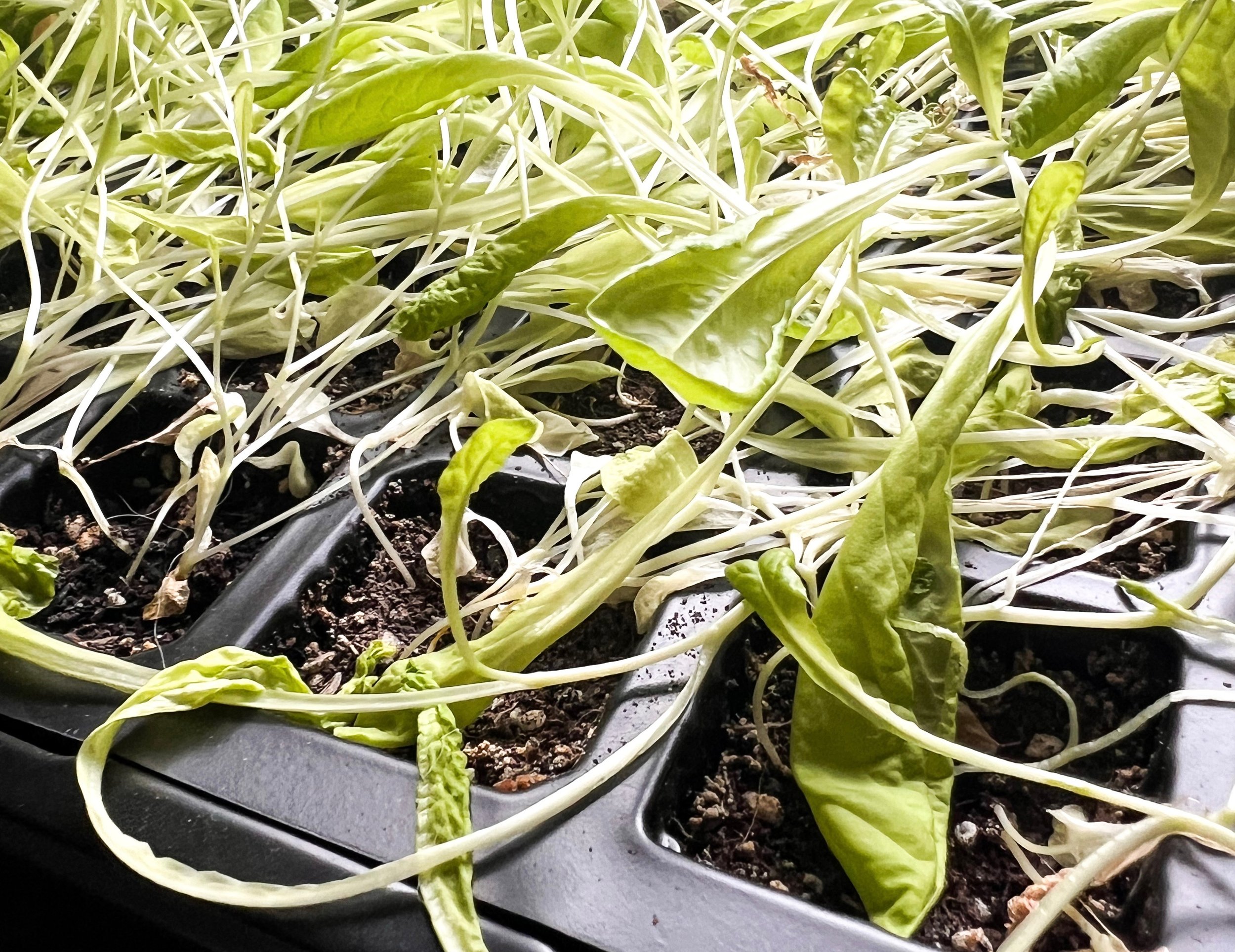
This morning I sat beside my plants, hands busy, mind scattered, and there it was—
wilted lettuce. Forgotten, sun-stressed, and past its prime. It struck me like a parable. Not because the lettuce was ruined (it happens). But because it revealed something deeper: you can’t do it all.

There are words in Scripture that glow quietly until the Spirit invites us to look closer — words that carry far more weight than their English translations suggest. Words that, once understood in their original language and context, feel alive with purpose.
Chayil is one of those words.