
Ancient Skincare: Oils, Butters, and the Wisdom of Tradition
A Return to the Ways Our Ancestors Cared for Their Skin
Humanity has always cared for the skin. Long before modern beauty aisles, before chemists emulsified water and oil into lotions, before factories manufactured creams by the thousands, skincare was simple. It was slow. It was sacred.
People tended their skin with what the earth offered — oils pressed from seeds and fruit, butters softened from nuts, waxes gathered from hives, resins scraped from tree bark, and, in many cultures, the rendered fat of animals who sustained them.
Across continents and centuries, skincare was an expression of stewardship, hospitality, healing, and holiness. And in many ways, it still can be.
This is the story of ancient skincare — the plants and animals that nourished the body, the traditions that shaped our rituals, the tallow and oils that protected skin long before synthetics existed, and why returning to these roots still matters today.
Beauty as Old as Time
The skin is the largest organ of the body, and ancient people understood its significance far more intuitively than we often do today. They lived under the sun daily. Their work was physical. Their environments were harsh. They had to protect the barrier God designed to cover them.
Their solutions were never artificial; they were agricultural and pastoral. What grew around them became what cared for them.
Egyptians reached for olive and castor oil. Israelites anointed with myrrh and balsam. Romans massaged the skin with infused oils after bathing. Indigenous peoples of the Americas used jojoba and bear fat. African cultures developed systems of botanical care using shea and plant oils long before the world “discovered” them.
Skincare was never cosmetic alone. It was medicinal, spiritual, and deeply practical.
Oils of the Ancient World
Across civilizations, oils formed the foundation of nearly all personal care.
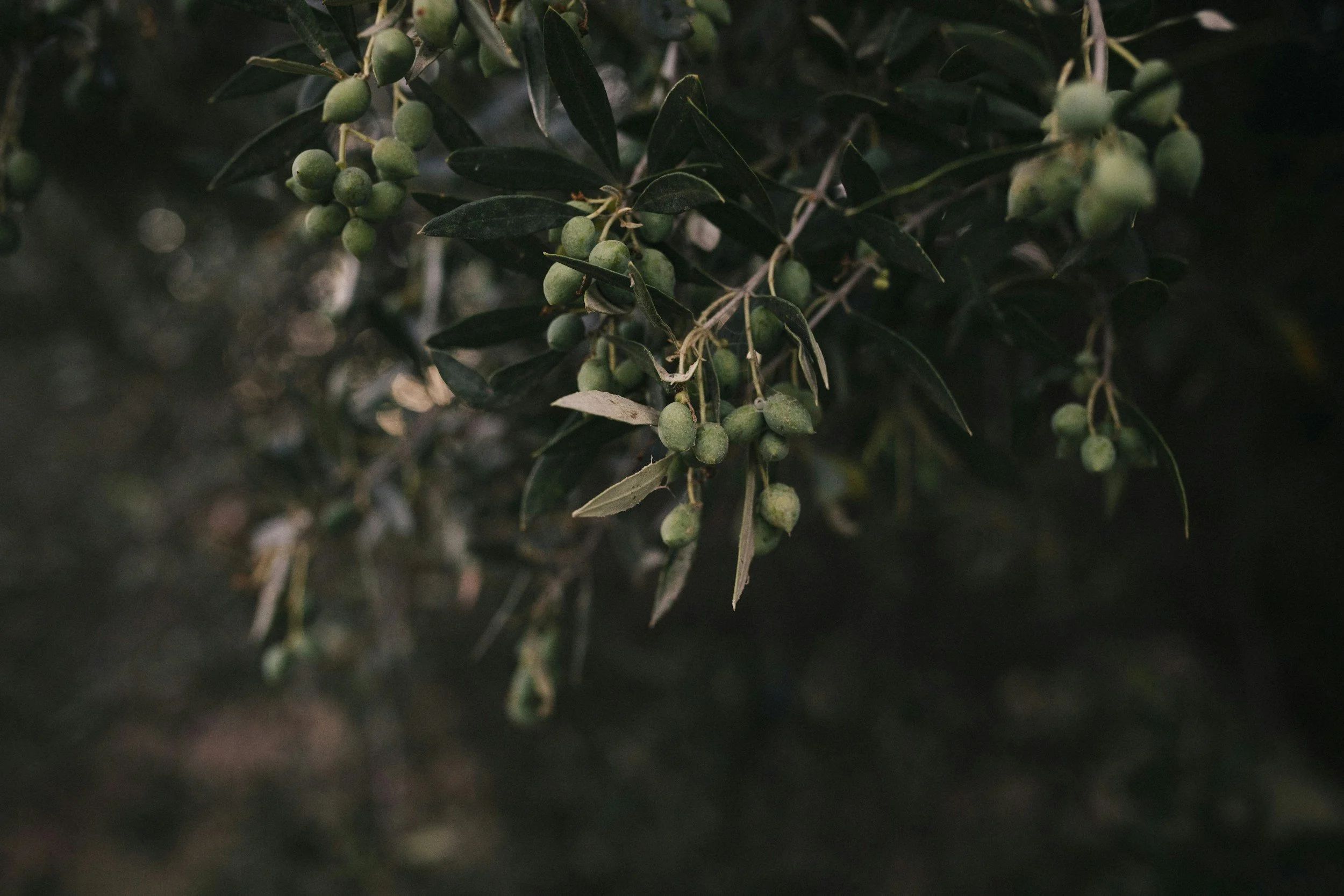
Olive Oil — The Cornerstone of Mediterranean Life
Few substances carry as much historical weight as olive oil. It was a culinary staple, moisturizer and cleansing agent, a carrier oil for perfuming herbs, asymbol of blessing, abundance, and anointing, and a medicinal ointment for skin, wounds, and dryness.
Archaeological and textual records show its use in Egypt, Greece, Rome, Israel, and surrounding regions. Olive oil remained the base for countless balms, medicinal salves, ceremonial anointing oils, and perfumes. The consistency, stability, and gentle fatty acid profile made it a natural fit for skin care long before the term skincare existed.
Almond Oil — A Gentle Emollient
Egyptians used almond oil for softness and suppleness. Greeks documented its use as an anti-aging skin treatment. Almond oil was considered so precious that early records describe it as part of both daily grooming and royal luxury. Its mild scent, light texture, and versatility made it a treasured ingredient.
Castor Oil — Egypt’s Glossing and Healing Oil
Ancient Egyptian papyri describe castor oil for softening skin, conditioning hair, treating dryness, and healing irritations. Its thick, glossy consistency made it perfect for protective balms in desert climates.
Jojoba Oil — The “Healing Gold” of Indigenous Traditions
Native peoples of the American Southwest used jojoba long before the modern world learned its secret: its molecular structure almost perfectly mimics human sebum. This makes it one of the most skin-friendly oils in existence — balancing, regulating, and repairing the skin barrier naturally.
These oils weren’t diluted. They weren’t processed beyond simple pressing. They were potent, whole, and revered.
The Ancient Art of Tallow in Skincare
Plant oils weren’t the only traditional option — not even close. For much of human history, tallow was one of the most important skincare ingredients in the world.
What Tallow Is: Tallow is rendered fat from grass-fed ruminants such as cows, sheep, and deer. When properly purified, it becomes a clean, stable, vitamin-rich balm perfectly suited for the skin.
Tallow in Ancient Cultures
Biblical and Near Eastern traditions: Animal fats were routinely used for anointing, healing, cooking, and protection from the elements. While Scripture often distinguishes what was offered to God at the altar and what was consumed or used in daily life, pastoral cultures regularly used rendered fats for practical purposes — including softening skin, treating dryness, and protecting against harsh desert winds.
Greco-Roman world: Romans and Greeks used both plant oils and animal fats in balms, salves, and healing ointments. Tallow was prized for its stability and its ability to hold aromatic herbs.
European history: for centuries, tallow has been used to make salves for cracked skin, as a barrier balm against cold and wind, to treat chapped hands in harsh winters, as the primary moisturizing agent before plant butters became globally traded, before industrialization, most households rendered their own tallow and used it the way we use lotion today.
Indigenous and rural traditions globally: in cold climates — such as the Far North, the Alps, and areas where plant oils were scarce — animal fats were essential to survival. They provided occlusive protection, long-lasting moisture, vitamins A, D, E, and K, fatty acids nearly identical to the skin’s natural structure. This is one reason many people today find tallow deeply nourishing: the skin recognizes it.
Why Tallow Returned to Modern Skincare
Tallow’s resurgence is not a trend — it’s a remembering. Its molecular profile is remarkably similar to human sebum, making it uniquely compatible with the skin barrier.
It is non-comedogenic when grass-fed and properly rendered, highly stable, rich in fat-soluble vitamins, soothing for dryness, eczema, and barrier impairment.
Butters Through History
Natural butters have been used for centuries to protect, soften, and restore the skin.
Shea Butter — Africa’s Timeless Skin Protector
Used for at least 2,000 years across West Africa, shea butter has always been a daily staple. Women used it to shield skin from harsh sun, to soothe irritations, moisturize deeply, and protect infants’ skin. Its high stearic and oleic acid content makes it one of the most nourishing butters in the world.
Cocoa Butter — A Sacred Mesoamerican Ingredient
The Mayans and Aztecs valued cocoa not only as food but as medicine. Cocoa butter softened skin, protected against dryness, carried herbal remedies, served as a sacred and luxurious substance in rituals. Its velvety richness made it ideal for salves and ceremonial balms.
Mango Butter & Tropical Traditions
While written records are fewer than those for shea or cocoa, fruit butters like mango have long been used across tropical regions for protective moisture. These butters show how ancient skincare was always aligned with climate. Hot, sunny regions required rich, occlusive protection — and nature supplied it.
Skincare in the Bible
Scripture reinforces what historical records show: beauty and skincare were woven into daily life, ceremony, healing, and worship.
Esther 2:12 — A Year of Beauty Preparation
“Six months with oil of myrrh, and six months with perfumes and cosmetics.” This describes an extensive regimen of botanical oils, aromatic resins, and infused preparations — all oil-based, all natural, all deeply nourishing.
Psalm 104:15
“…oil to make their faces shine…” Oil was not vanity. It was abundance. It was blessing.
Song of Solomon
The book is permeated with references to myrrh, aloes, frankincense, saffron, cinnamon, spikenard, These weren’t just fragrances — they were skincare and ritual care.
The Holy Anointing Oil (Exodus 30)
A sacred blend of olive oil, myrrh, cinnamon, cassia, aromatic cane. This was a medicinal, aromatic, spiritually significant preparation used for consecration and healing.
The Bible shows that skincare was connected to identity, holiness, hospitality, and human dignity.
Herbal Infusion: The Hidden Skill of Ancient Skincare
One of the most powerful traditions across nearly every ancient culture was infusing oils with herbs. Long before essential oils existed, people extracted plant benefits through slow, sun-warmed infusion of various plant materials like calendula, lavender, myrrh resin, frankincense tears, chamomile, yarrow, rose, plantain, violet, comfrey, and rosemary.
When herbs steep in oil, their fat-soluble compounds — carotenoids, flavonoids, anti-inflammatory resins — dissolve into the oil. This transforms a basic oil into skincare medicine.
Why Ancient Cultures Used Infused Oils
Herbal oils were used for healing wounds, moisturizing dry skin, reducing inflammation, calming irritation, preparing for ceremonial or marital intimacy, aromatic and spiritual purposes. Infused oils were a mark of craftsmanship. They took time, attention, and direction from nature.
Why Infused Oils Feel “High-End” Today
In a world of mass-produced lotions filled with synthetics, infused oils stand apart because they retain the whole profile of the plant, offer true botanical potency and are artisan-made rather than industrially manufactured. They feel luxurious because they are and they require patience, knowledge, and intention to produce.
Infused oils bridge ancient skincare with modern plant science — exactly the heart of Florē.
Ancient vs. Modern Skincare: When Water Entered the Picture
For most of history, skincare was anhydrous — oils, butters, tallow, waxes — waterless skincare.
Then came the industrial era. Water-based creams and lotions offered a lighter feel, faster absorption, and lower production cost (because water is cheap). But water also introduced new requirements like emulsifiers to force water and oil to stay together, preservatives to prevent microbial growth, stabilizers and thickeners, and fillers that reduced the active ingredient percentage.
Many modern lotions are 70–80% water. Meaning the actual nourishing components often make up only a small part of the formula. There is nothing wrong with modern formulations — they serve a purpose. But they are an entirely different philosophy from ancient skincare.
Why I Choose Tradition with Florē
Florē is my way of honoring the wisdom of generations who came before us — the women who gathered herbs from the field, the families who rendered fat from pasture-raised animals, the healers who infused oils with resins, and the biblical tradition of caring for the body through anointing.
I choose oils, butters, tallow, and botanicals because they work. Because they’re whole. Because they’re timeless.
Florē is rooted in:
Oil Cleansing — An Ancient Method. Oil dissolves oil. It lifts impurities without stripping the skin barrier. My cleanser is a modern expression of this gentle, effective, deeply traditional practice.
Whole, Concentrated Formulas. Every ingredient serves a purpose. Nothing exists just to fill space. Shea butter, mango butter, jojoba, squalane, rosehip, camellia, beeswax — these oils and butters have supported skin for centuries, and modern research continues to affirm their effectiveness.
Herbal Infusion — Infusing oils with violet, calendula, plantain, dandelion, yarrow, and other botanicals creates formulas that feel luxurious because they are luxurious — rich, intentional, and filled with the plants’ fat-soluble benefits.
The Return of Tallow — A Missing Piece Restored. After months of studying ancient skincare, biblical context, historical records, and modern science — and approaching it with an open heart — I have come to deeply value the role tallow once held in skincare.
And I’m not speaking theoretically. I’m actively rendering fresh, high-quality grass-fed tallow this week as I prepare to launch my newest winter product:
✨ Winter Vanilla Tallow Body Butter — rich, restorative, deeply traditional
Tallow is not a trend. It is one of the oldest, most time-tested moisturizers humans have ever used. Its molecular structure mirrors our own skin’s natural lipids, making it incredibly barrier-supportive and deeply nourishing — especially in winter. Bringing tallow into Wild Faith Acres feels like restoring something ancient and good. It reflects the heart of my brand: grounded, intentionally crafted, rooted in both creation and tradition.
Tallow will become a meaningful part of my seasonal line, complementing the botanical oils and plant butters I already love. It’s not an either/or — it’s a beautiful, balanced both/and.
Final Thoughts: Returning to What Always Worked
The ancients didn’t complicate skincare. They reached for oil, butter, wax, resin, herb, and tallow. Simple. Whole. Effective. No synthetics. No fillers. No water to dilute the goodness. They trusted the gifts of creation — and those gifts have stood the test of time.
In a world overflowing with products that are more water than nourishment, I find myself drawn back to these roots. Florē is my way of honoring them. My way of creating skincare that feels grounded, intentional, handcrafted, and truly beneficial.
Skincare born from the garden, crafted by hand, made for the rhythm of real life.